

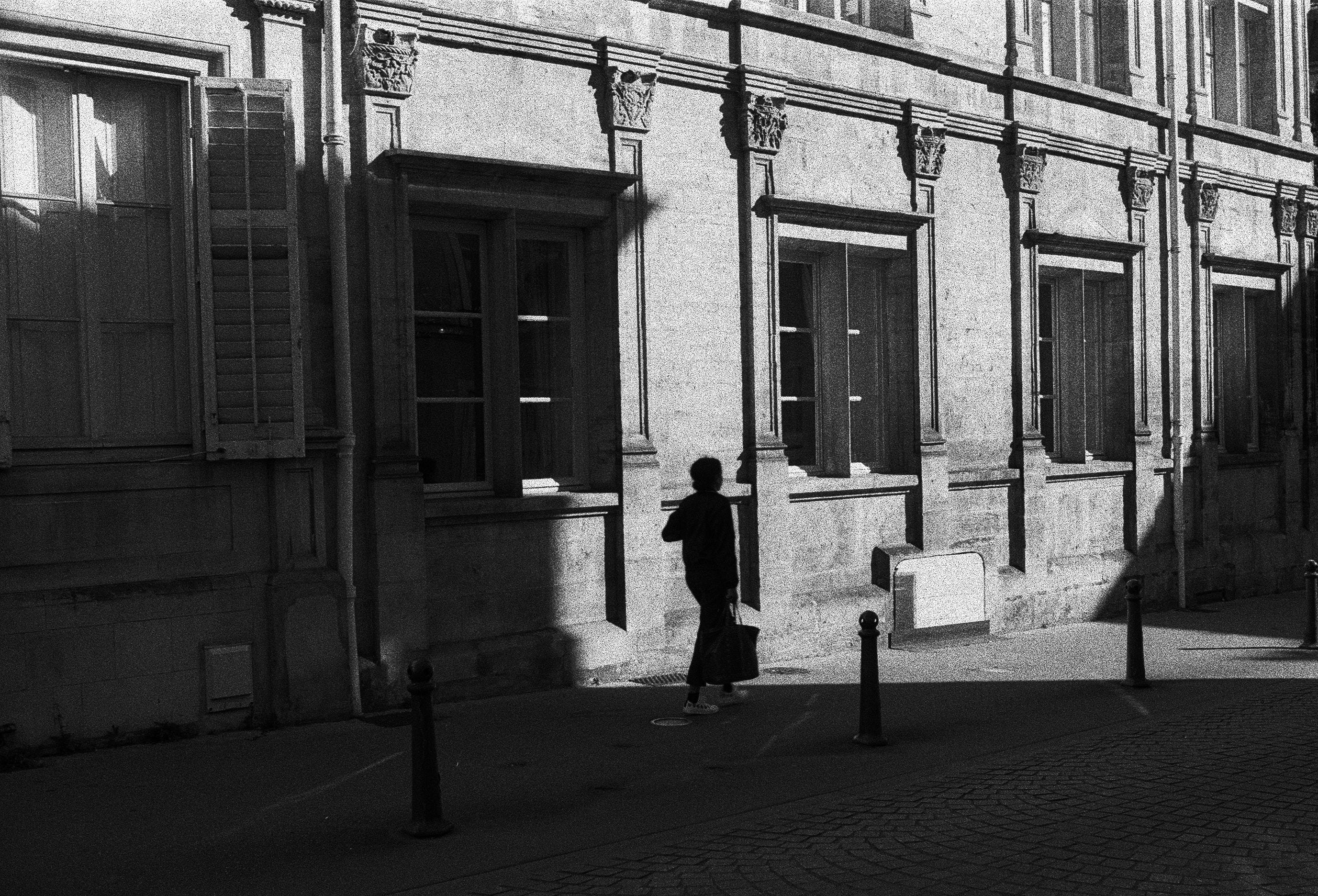
There is a precise moment in youth when The Catcher in the Rye hits not as a literary assignment, but as a mirror. For decades, critics have labeled Holden Caulfield a cynic. But to those who read between the lines, Holden wasn’t cynical; he was highly sensitive. He possessed a rare capacity for noticing things he did not yet have the vocabulary to name.
It is a quiet, heavy gift: the ability to register the subtle dissonance between appearance and reality. You feel the coldness of a room that is ostensibly beautiful. You hear the friction when a person’s words do not align with their energy. You are struck by the haunting suspicion that something is profoundly off, even when everything is exactly where it should be. Holden called it “phoniness.”
Years later, we realize the word itself matters less than the instinct behind it. What we were witnessing wasn’t a teenager’s rejection of society. It was the birth of discernment.
The Isolation of the Elegant Eye
Discernment is the rare ability to perceive before understanding—to notice before language catches up. For the culturally observant, this stage is inevitable but isolating. You look at the landscape of modern life and begin to see the cracks in the veneer.
*The critically acclaimed restaurants everyone visits once, but never returns to.
*The immaculate, museum-like homes that somehow feel entirely unlived in.
*The high-flying careers that signal immense success while quietly eroding the souls of the people who built them.
*The glittering cities engineered for corporate efficiency rather than human belonging.
Initially, this hyper-awareness feels like a curse. You become acutely aware of what feels wrong long before you can articulate what feels right. It is easy to get trapped here. When everything becomes an object of criticism, taste curdles into mere rejection. Life becomes a curated list of things that feel false.
From Critique to Creation
But true discernment was never meant to be a final destination. It is merely the raw material for design. The ultimate purpose of noticing what fails us is to discover what sustains us.
When refined, this critical eye stops looking for flaws and begins looking for alignment. The focus shifts toward the quiet triumphs of human intention:
*A neighborhood that naturally rewards the slow art of walking.
*A hidden café whose lighting and layout instinctively support deep concentration.
*A daily rhythm that fiercely protects space for depth over speed.
*Objects inherited or acquired because they are functional, not because they are impressive.
*Relationships that offer emotional steadiness rather than a stage for performance.
Over time, the fundamental question shifts. We stop asking, “What feels off?” We begin asking, “What helps a life truly flourish?”
The Architecture of Intention
This evolution is where taste transforms into something far deeper than mere aesthetics. Taste, in its highest form, is applied discernment. It is the deliberate act of shaping our environments, our routines, and our relationships around what we have fought to value.
The architecture of a well-lived life is never built through accumulation. It is built through rigorous attention. It is the gradual, editing process of keeping only what deepens experience, supports clarity, and creates a sense of internal coherence.
In an era defined by relentless consumption, luxury has been radically redefined. It is no longer about accumulation, but alignment. True luxury is the ultimate act of editing: the profound privilege of inhabiting a life sculpted by intention. It is where the passive art of noticing transforms into the active work of living. The exact moment perception becomes practice, and discernment finally becomes structure.